
Key points at a glance
- Clients search either urgently (“Anwalt Strafrecht Linz”) or to research (“Kündigung erhalten was tun”); your website needs pages for both.
- One page per practice area is the most important lever; location pages only for real offices.
- The title and description of each page name the area of law and the location, factually and without superlatives.
- Local signals: Google profile, official lawyer directory, consistent firm details and structured data.
- For AI answers the same applies as for Google: clear, verifiable facts and good answers to real questions.
This post is general information, not legal or tax advice for your individual case. Laws, professional guidelines and chamber fees change: check the details with your chamber, the relevant authority or your professional association before you make a decision.
How people search for lawyers
People who need a lawyer search in two ways. Searching with urgent intent are those who already know they need help: “Anwalt Arbeitsrecht Wien”, “Strafverteidiger Hamburg” (criminal defence lawyer Hamburg), “Scheidungsanwalt in der Nähe” (divorce lawyer near me). Searching with research intent are those who first want to understand what is going on: “Kündigung erhalten was tun”, “Unterhalt Kind wie viel” (child support, how much), “Strafbefehl Einspruch Frist” (penalty order, deadline for objection). People in the second group often become clients from the first, just a few days later.
| Search intent | Example search | Matching page |
|---|---|---|
| Urgent, with location | Anwalt Arbeitsrecht Wien, Fachanwalt Familienrecht Köln | Practice page with location, process, costs and phone number |
| Urgent, nearby | Rechtsanwalt in der Nähe, Strafverteidiger Notfall | Google profile, contact page, availability |
| Research | Kündigung erhalten was tun, Scheidung Ablauf Österreich | Guide article with a clear answer and a pointer to the initial consultation |
| Costs | Anwalt Erstberatung Kosten, Scheidungsanwalt Kosten | Page on the initial consultation and fees |
| Name | Kanzlei Huber Salzburg | Home page and Google profile, consistent firm name |
Pay attention to the terms used in each country. In Germany, “Fachanwalt” (certified specialist) is a common search term; in Austria the title does not exist. In Austria people search for “Abfertigung” and “Entlassung”, in Germany for “Abfindung” and “fristlose Kündigung” (severance and summary dismissal). Write in your clients' words and explain technical terms instead of assuming them.
One page per practice area and location
A single “Services” page listing eight areas of law cannot really match any of the eight searches. A separate page for employment law, one for family law and one for traffic law can. For larger areas, subpages for the most frequent concerns pay off, such as “dismissal” and “severance” under employment law. Each page answers the questions people in exactly that situation have and states where you work: “We represent employees in Linz and throughout Upper Austria.” In tenancy law, this also includes which side you work for; how that looks is shown in Positioning and website for tenancy law firms.

Location pages only pay off for real offices, with their own address, their own team and their own Google profile. Creating pages such as “Anwalt Arbeitsrecht Wels”, “Anwalt Arbeitsrecht Steyr” and “Anwalt Arbeitsrecht Enns” with almost identical text produces so-called doorway pages, which Google treats as spam. In terms of professional law, there is more: a page that suggests a local office that does not exist is misleading. Branch offices require approval in Austria under § 7a RAO; in Germany a further office must be notified to the bar (§ 27 Abs. 2 BRAO). How to structure the content of practice pages is shown in Website for lawyers.
Titles and descriptions that get clicked
The page title is the blue link in the search results, and the meta description is often the text below it. Google sets no fixed character count but cuts off whatever does not fit in the line. As a rule of thumb: titles around 55 characters, descriptions around 150 characters, most important information first. Google may rewrite both if they do not match the page; a good, honest title is usually kept.
| Page | Title | Description |
|---|---|---|
| Employment law | Anwalt für Arbeitsrecht in Linz | Kanzlei Huber | Kündigung, Entlassung, Abfertigung: Wir vertreten Arbeitnehmer:innen in Linz und Oberösterreich. Erstberatung zum Fixpreis, Termin binnen einer Woche. |
| Family law (DE, with title) | Fachanwältin für Familienrecht in Köln | Kanzlei Weber | Scheidung, Unterhalt, Sorgerecht: Beratung und Vertretung in Köln. Erstberatung, Ablauf und Kosten transparent erklärt. |
| Guide | Kündigung erhalten: was jetzt zu tun ist | Welche Fristen laufen, welche Unterlagen Sie brauchen und wann eine Klage sinnvoll ist. Von Rechtsanwältin Mag. Eva Huber, Linz. |
| Initial consultation | Erstberatung und Kosten | Kanzlei Huber, Linz | Was das erste Gespräch kostet, wie lange es dauert und wie wir danach abrechnen. Auch per Video möglich. |
How to get it right
- Area of law and location at the start of the title
- Every page with its own title and its own description
- Concrete benefits: appointment within a week, advice in English, video appointment
- “Fachanwalt” in the title only if the title has been awarded in Germany
Better avoid
- “Bester Anwalt Wien” (best lawyer Vienna) or “No. 1 in employment law”
- Strings like “Anwalt Wien Rechtsanwalt Wien Anwaltskanzlei Wien”
- The same title on every page, for example just the firm name
- Promises such as “guaranteed severance pay”
Test your title and description
The free Google preview shows how your title and description look in the search results and whether they are cut off, on desktop and on smartphone.
Strengthening local signals
For searches with a local reference, Google first shows a map with three firms. According to Google, relevance, distance and prominence decide there. You cannot change the distance, but you can influence the other two factors:
Local basics for law firms
- Google Business Profile with a fitting category, the real firm name and photos
- Entry in the ÖRAK lawyer search or the Bundesweites Amtliches Anwaltsverzeichnis with areas of law and website
- Name, address and phone number written the same everywhere: website, profile, directories
- Address and directions on the website as text, not just as an embedded map
- Structured data of type LegalService with address, opening hours and service area
- Ask for reviews neutrally, without incentives, and reply without mandate details
More on directories, consistent details and structured data is in Local SEO for professional firms, Online directories and Structured data.
Content that answers questions
Google recommends writing content for people, not for search engines. For lawyers that is an advantage: you answer the same questions every day in initial meetings. Write those answers down. An article “Received a termination: what to do now” with the note that in Germany the claim must be filed within three weeks of receipt (§ 4 KSchG) helps more than any paragraph about “competent and committed representation”.
- One question per article: “What does an uncontested divorce cost?” instead of “Everything about family law”.
- Answer first: the short answer in the first paragraph, details and exceptions afterwards.
- Name the country clearly: many legal questions are answered differently in Austria and Germany. Say which country the article applies to.
- Author and date: name with professional title and date of the last review. Legal content goes out of date quickly.
- No cases without consent: anonymise examples so that no one can recognise the parties.
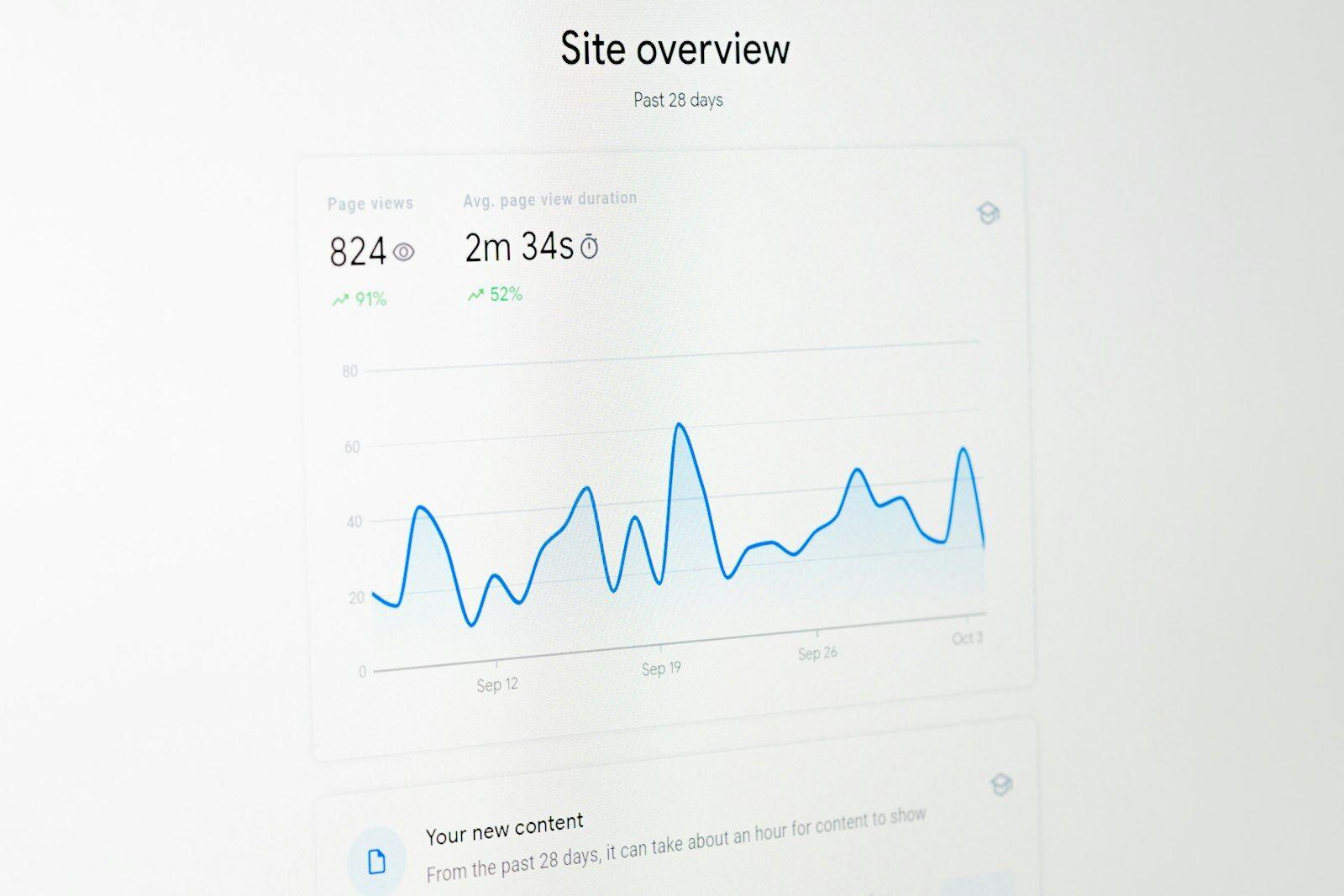
How to write expert articles regularly without it becoming a burden is described in Writing expert articles. Which pages appear on Google and get clicked is shown free of charge by Google Search Console.
Getting found in AI answers
More and more people get an answer before they click a link: in Google's AI Overviews or in assistants such as ChatGPT. Google states explicitly that there are no additional requirements for these features. The same basics count as in regular search: crawlable pages, helpful content, clear facts.
For law firms this means: write out in full sentences what assistants should know about you. “Lawyer in Graz, practice areas employment law and tenancy law, advice in German and English, initial consultation also by video” is understood by any machine. Details that match the Google profile and the official directory are considered reliable. How assistants currently describe your firm can be tested with the AI preview; more on this in AI search.
What to avoid
- Keyword stuffing: “Rechtsanwalt Wien” in every sentence makes texts unreadable and breaches Google's spam policies.
- Doorway pages for many cities: nearly identical pages per location without an office there, see above.
- Bought links and reviews: buying links breaches Google's policies; bought reviews also breach the unfair competition law of both countries.
- Misleading terms for search engines: “Fachanwalt” without the title, “Spezialist” without proof or a Google category that suggests a specialist title you do not hold.
- Mass AI texts without review: content produced only for search engines is treated by Google as spam; with legal topics, factual errors and liability risks come on top.
The professional law details for titles, categories and ads are in the guides to advertising law for lawyers in Austria and lawyers in Germany. How SEO works together with referrals, directories and ads is shown in Winning clients as a lawyer.
A law firm website that gets found
Our websites for lawyers come with a separate page per practice area, clean titles and descriptions, structured data and fast mobile display. Request a free preview.
A no-obligation preview of how your firm website could look with us.
Sources
- Google Search Central – SEO Starter Guide
- Google Search Central – Title links in search results
- Google Search Central – Snippets and meta descriptions
- Google Search Central – Spam policies
- Google Search Central – AI features and your website
- Google – Tips to improve your local ranking
- Schema.org – LegalService
- Kündigungsschutzgesetz § 4 (Protection Against Dismissal Act)
- RIS – Rechtsanwaltsordnung (RAO), § 7a
- Gesetze im Internet – § 27 BRAO